

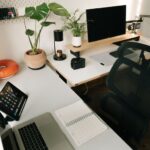






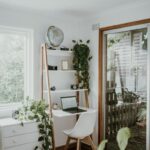
Creating a productive home office space is essential for anyone working remotely or managing tasks from home. A well-designed workspace can enhance your concentration, comfort, and overall efficiency. Whether you have a dedicated room or just a small corner, following these tips can help you establish an environment that supports your work goals.
Choose the Right Location
Find a Quiet Spot
Selecting a place with minimal distractions is key. Avoid areas with high foot traffic or noisy appliances. If possible, use a room with a door to reduce interruptions.
Consider Natural Light
Natural light helps improve mood and alertness, so pick a spot near a window if you can. If natural light is limited, invest in good-quality artificial lighting that mimics daylight.
Invest in Ergonomic Furniture
Comfortable Chair
Your chair should provide proper back support and allow you to sit with feet flat on the floor. Adjustable height and armrests can increase comfort throughout the day.
Suitable Desk
Choose a desk at the right height for your body. Your arms should rest comfortably without hunching your shoulders. Standing desks or convertible options can also offer flexibility.
Organize Your Workspace
Declutter Regularly
A tidy workspace minimizes distractions and helps you focus. Keep only essential items on your desk and store other supplies neatly nearby.
Use Storage Solutions
Incorporate shelves, drawers, or desk organizers to keep papers, gadgets, and accessories organized. Label storage containers for quick access.
Cable Management
Messy cables create visual clutter and can be frustrating. Use clips, ties, or under-desk trays to keep cords organized and out of sight.
Optimize Technology and Tools
Reliable Equipment
Ensure your computer, printer, and internet connection are dependable. Slow or faulty equipment hampers productivity.
Essential Accessories
Items like a second monitor, quality keyboard, or noise-canceling headphones can enhance your workflow and concentration.
Backup Systems
Regularly back up your work to avoid losing important files. Use cloud services or external drives for extra security.
Personalize Your Space
Add Greenery
Plants can improve air quality and create a calming atmosphere. Choose low-maintenance varieties suited for indoor spaces.
Inspiring Décor
Incorporate colors, artwork, or items that motivate you without being distracting. A visually pleasing environment promotes a positive mindset.
Create a Routine-Friendly Environment
Separate Work and Relaxation Zones
If possible, distinguish your office area from where you relax. This helps your brain associate the workspace with focus and productivity.
Maintain Consistent Hours
Set regular working hours and use your office space only during those times to reinforce boundaries between work and personal life.
Control Noise and Distractions
Use Soundproofing
Add rugs, curtains, or acoustic panels to minimize noise. If others are in your home, communicate your work schedule to reduce interruptions.
Background Music or Silence
Some people work better with soft music or white noise, while others prefer silence. Choose what helps you concentrate best.
Take Care of Your Well-being
Breaks and Movement
Incorporate short breaks to stretch or walk around. Movement helps reduce fatigue and boosts creativity.
Hydration and Snacks
Keep water and healthy snacks nearby to stay energized without frequent trips away from your desk.
—
Designing an effective home office takes some planning but pays off in increased productivity and comfort. By focusing on location, furniture, organization, and personal touches, you can create a workspace that supports your best work every day. Remember, your home office should work for you—adjust elements as needed to find your ideal setup.