








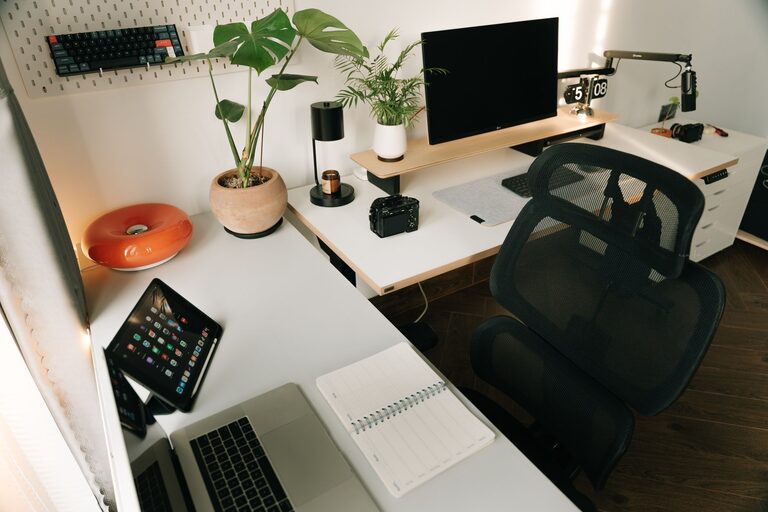
Creating a well-organized home workspace is essential for staying productive and comfortable throughout your workday. Whether you work remotely full-time or occasionally take care of tasks at home, having a dedicated, clutter-free area can make a big difference in how well you focus and feel while working. In this post, we’ll explore simple but effective tips to help you organize your home workspace, making it a place you look forward to using.
Why Organizing Your Workspace Matters
An uncluttered and thoughtfully arranged workspace helps reduce distractions and stress. When everything has its place, it’s easier to find what you need and maintain a clear mind. Additionally, a comfortable setup supports good posture and reduces fatigue, which can boost your overall productivity and well-being.
Choose the Right Location
Start by selecting a spot in your home that suits your work style and needs. Ideally, this space should be:
– Quiet and free from frequent interruptions
– Close to natural light to reduce eye strain
– Away from high-traffic areas to maintain focus
If space is limited, consider using a corner of a room or a foldable desk that can be stored away when not in use.
Keep Your Desk Clean and Functional
Your desk is the centerpiece of your home office. Here’s how to optimize it:
1. Minimize Clutter
Only keep essential items on your desk, such as your computer, a notebook, and a pen. Put away or store other supplies in drawers or organizers to prevent distractions.
2. Use Desk Organizers
Invest in simple organizers like trays, file holders, or drawer dividers to keep papers and office supplies neat and accessible.
3. Manage Cables
Tangled cables can look messy and cause frustration. Use cable clips, ties, or boxes to keep wires organized and out of sight.
Invest in Comfortable Seating and Ergonomics
Comfort is key to maintaining productivity for long hours. Pay attention to:
– Chair: Choose a chair with good lumbar support and adjustable height. Sitting for extended periods without proper support can lead to discomfort or injury.
– Monitor Placement: Position your computer screen at eye level, about an arm’s length away, to prevent neck strain.
– Keyboard and Mouse: Keep them at a height that allows your elbows to stay close to your body and your wrists straight.
Adding a footrest or wrist rest can also enhance comfort.
Organize Your Supplies and Documents
Keeping your supplies and documents organized will save time and reduce stress:
– Label Everything: Use labels on folders, boxes, and drawers to quickly identify contents.
– File Digitally: Whenever possible, scan documents and organize digital folders on your computer to reduce paper clutter.
– Regularly Purge: Set aside time weekly or monthly to discard or recycle old papers and unused items.
Personalize Your Space Thoughtfully
While keeping your area organized, make it inviting by adding personal touches such as:
– A small plant to bring nature indoors
– Photos or artwork that inspire you
– Good lighting, such as a desk lamp with adjustable brightness
Remember to avoid overdecorating, which can cause unnecessary distractions.
Establish Daily Habits for Maintenance
An organized workspace requires ongoing care. Try:
– Tidying your desk at the end of each day
– Returning items to their designated spots after use
– Planning a deeper cleaning and organization session on weekends or when clutter accumulates
Developing consistent habits will ensure your workspace stays productive and comfortable over time.
Make Use of Technology for Better Organization
Several apps and tools can help you stay organized:
– Task Managers: Use apps like Todoist or Trello to track tasks and deadlines.
– Note-Taking Apps: Keep digital notes organized with apps like Evernote or OneNote.
– Calendar Tools: Schedule your work hours and breaks with calendar apps to maintain structure.
Final Thoughts
Organizing your home workspace may take some initial effort, but the benefits are well worth it. A tidy, ergonomic, and personalized space supports not only your productivity but also your comfort and motivation. By following these simple tips, you’ll create an environment where work becomes a more enjoyable and efficient part of your daily routine. Remember, the key is to find what works best for you and make organization a regular practice. Happy organizing!