








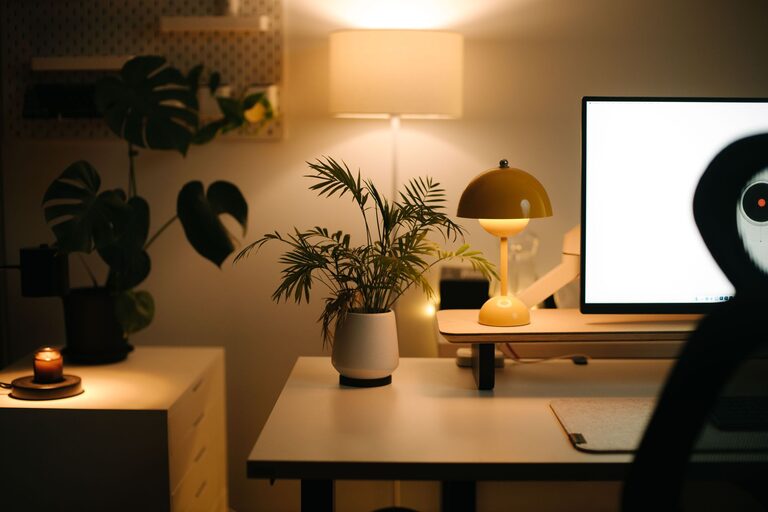
Creating a cozy and inviting home office space is essential for anyone working remotely or frequently handling tasks at home. A well-designed workspace not only encourages productivity but also improves your mood and focus. Whether you have a dedicated room or a small corner in your living area, you can transform it into a comfortable work zone with a few thoughtful touches. Here are some helpful tips to make your home office both cozy and inviting.
1. Choose the Right Location
The foundation of a comfortable home office starts with selecting the best spot. Ideally, pick a quiet area away from high traffic zones in your home. Natural light is a big plus, so consider setting up near a window if possible.
– Ensure the space is well-ventilated for fresh air.
– Check internet connectivity and access to power outlets.
– Avoid distractions like the TV or kitchen noise.
If space is limited, you can use room dividers or bookcases to separate your workspace from the rest of the room visually.
2. Invest in Comfortable and Functional Furniture
Your desk and chair are the most important furniture pieces for your home office.
– Chair: Choose an ergonomic chair with good lumbar support to stay comfortable during long work sessions.
– Desk: Pick a desk that suits your needs. Consider adjustable desks that let you alternate between sitting and standing.
– Storage: Incorporate shelves, drawers, or filing cabinets to keep your area tidy and organized.
Comfortable furniture supports your posture and reduces fatigue, making work feel less like a chore.
3. Optimize Lighting
Proper lighting can impact your focus and reduce eye strain.
– Combine natural light with warm, soft artificial lighting.
– Use a desk lamp with adjustable brightness for focused tasks.
– Avoid harsh overhead lights that can cause glare or shadows on your screen.
Layered lighting creates a cozy atmosphere and helps prevent fatigue throughout your workday.
4. Personalize Your Workspace
Make your home office a place you enjoy spending time in by adding personal touches.
– Decorate with artwork or photos that inspire you.
– Use plants to bring in natural elements and improve air quality.
– Add cushions or a cozy throw blanket to your chair for extra comfort.
– Customize your stationery and desk accessories for a cohesive look.
Personalization helps create a positive vibe and enhances your overall work experience.
5. Keep It Organized and Clutter-Free
Clutter can be distracting and make your workspace feel chaotic.
– Use organizers, trays, or drawer dividers to store supplies.
– Adopt a daily or weekly routine to tidy your desk.
– Limit the number of items on your desktop to essentials only.
– Consider digital tools for note-taking and scheduling to reduce paper clutter.
A clean and organized office promotes clear thinking and productivity.
6. Manage Noise Levels
If your home is noisy, it can be hard to concentrate.
– Use noise-canceling headphones or white noise machines.
– Add soft materials like rugs, curtains, or cushions to absorb sound.
– Communicate with family members or housemates about your work hours to minimize interruptions.
A quiet environment helps you stay focused and relaxed during work.
7. Incorporate Inspiring Colors
Colors affect mood and energy.
– Choose calm, muted tones like soft blues, greens, or neutrals for a relaxing environment.
– Use accent colors in accessories or wall art to add energy without overwhelming the space.
– Avoid overly bright or bold colors that may cause distraction or stress.
Thoughtful color choices create a balanced and inviting workspace.
8. Add Technology Wisely
Technology is essential but can add clutter or distractions if not managed well.
– Use wireless devices and cable organizers to keep cords neat.
– Position screens at eye level to avoid neck strain.
– Ensure good ventilation around your computer to prevent overheating.
– Consider adding a second monitor if your work involves multitasking.
Smart technology setup boosts efficiency without compromising the cozy feel.
9. Include a Break Area
If space allows, create a small area nearby for breaks.
– A comfortable chair or small sofa can be great for resting.
– Use this spot for stretching, reading, or a quick change of scenery.
– Keep the break area separate from your desk to help maintain work-life balance.
Taking regular breaks enhances creativity and reduces burnout.
10. Maintain Flexibility
Your needs might change over time.
– Use modular furniture that can be rearranged easily.
– Keep some open space for stretching or quick exercises.
– Be open to updating your setup as you find what works best.
A flexible workspace adapts to your workflow and keeps things fresh.
—
Designing a cozy and inviting home office is all about combining comfort, functionality, and personal style. By selecting the right location, investing in comfortable furniture, optimizing lighting, and keeping your space organized, you can create a productive environment that feels like your own sanctuary. Remember, the best workspace is one that supports both your work goals and your well-being. Take these tips to heart, and enjoy making your home office a place where you feel comfortable, inspired, and ready to focus.